
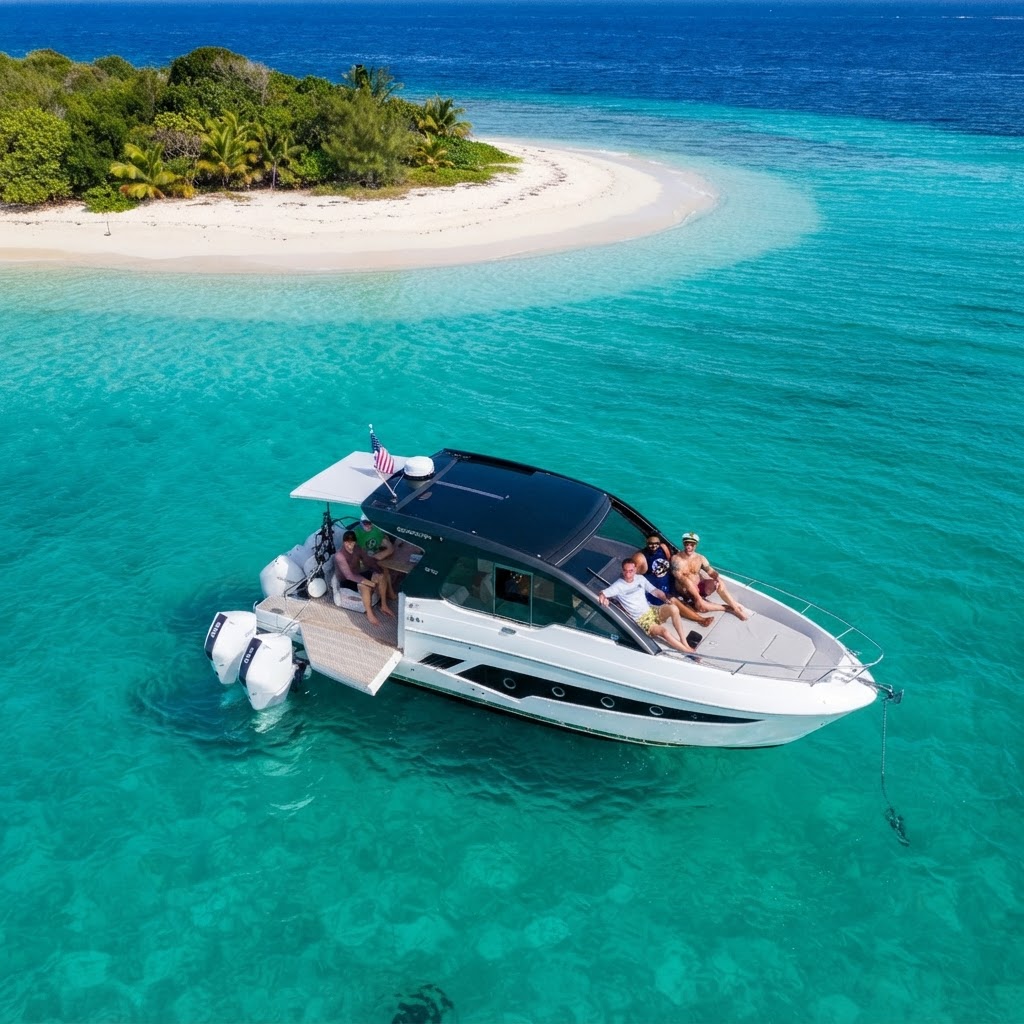


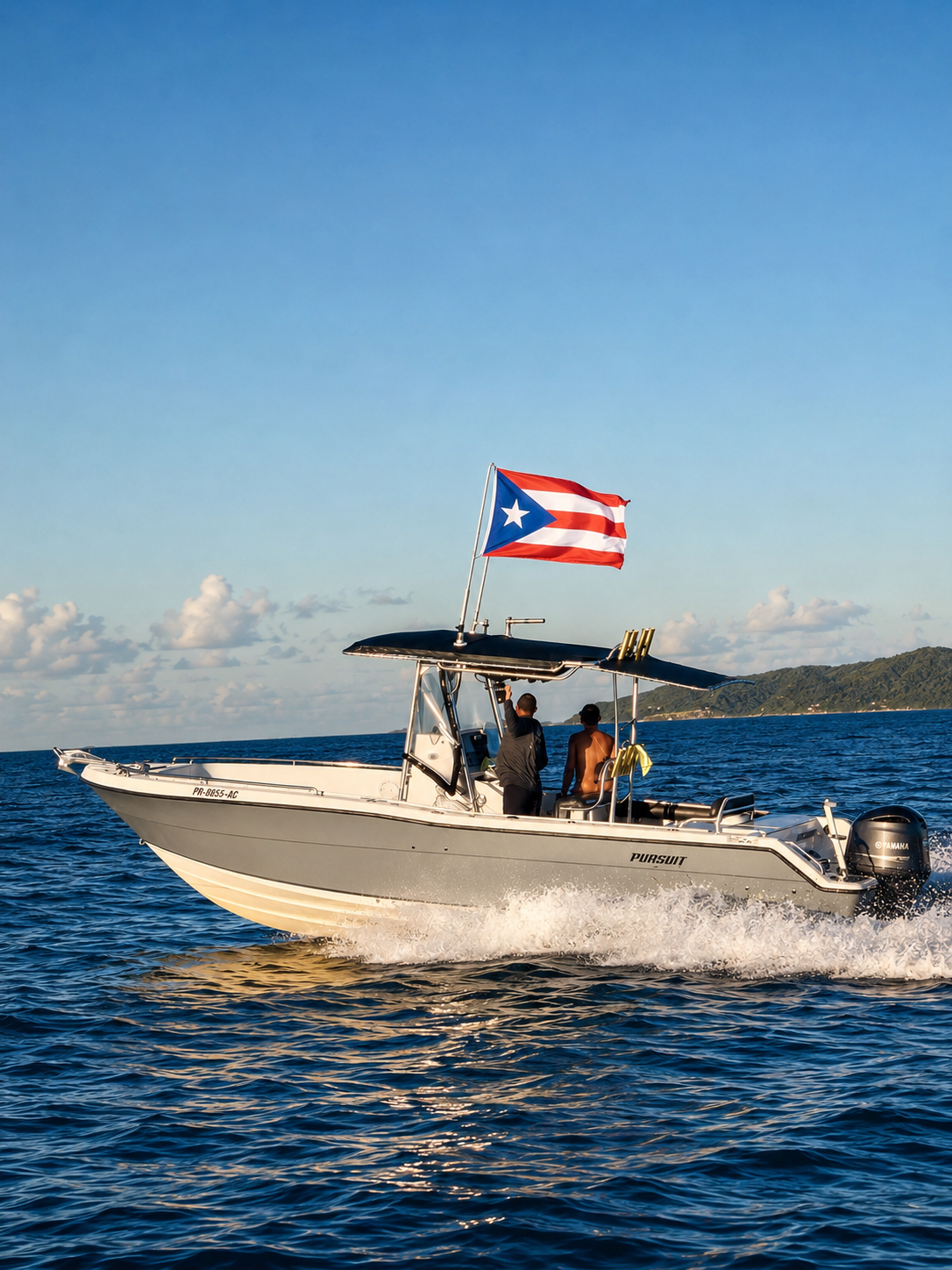












A private charter can look effortless from the guest’s perspective: the vessel is ready, the captain knows the route, and the day unfolds between clear water and a reserved lunch table. Behind that experience, tour operator invoicing has to be equally precise. A vague total, a missing deposit record, or an unexpected add-on at checkout can weaken confidence before the guest ever steps aboard.
For Caribbean charter companies, guides, excursion providers, and hospitality partners, an invoice is not simply a payment request. It is the financial record of what was promised, what was reserved, and what still needs to happen. When it is clear, timely, and connected to the booking, it protects revenue while reinforcing the premium standard guests expect.
Tour Operator Invoicing Is Part of the Guest Experience
Luxury travelers do not necessarily expect a complicated billing process. They expect a clear one. A family booking a private catamaran from Fajardo to Icacos wants to know what their rate includes, how much is due now, whether captain gratuity is included, and when the remaining balance will be collected. The same is true for a group arranging a fishing charter in Vieques or ground transportation for an overnight sailing itinerary.
An invoice should answer those questions before a guest has to ask. It should match the reservation confirmation, reflect the agreed itinerary, and distinguish the charter price from optional services. This helps avoid the most common source of payment friction: guests believing a quoted price covered something that was actually separate.
For providers, that clarity matters even more when high-value bookings are made months in advance. Deposits fund preparation, secure dates, and reduce the risk of holding inventory for guests who may not complete payment. A well-managed invoice process turns a reservation from an informal commitment into an accountable financial agreement.
Build Invoices Around the Booking Lifecycle
The best invoicing approach follows the actual rhythm of a booking rather than treating every reservation as a one-time sale. A two-hour snorkeling excursion may be paid in full at booking. A full-day yacht charter, private-island experience, or multi-day itinerary usually needs a deposit and a scheduled final balance.
At booking: confirm the deposit
The initial invoice should show the total trip value, the deposit required, the payment due date, and the remaining balance. It should also identify the guest, service date, departure location, guest count, and selected package. If a charter includes a standard itinerary but the guest has requested a custom route or special occasion setup, record that detail in the booking notes and invoice description where appropriate.
A deposit should not be described vaguely as a "reservation fee" unless that is truly how the business structures it. If it is applied toward the final charter total, say so. If it is nonrefundable under stated conditions, the invoice needs to align with the cancellation policy the guest accepted during booking.
Before departure: collect the balance with time to resolve questions
Final balances should be requested early enough to allow for payment processing, guest questions, and operational changes. For premium charters, collecting the balance several days before departure is often more practical than leaving a large payment to the dock. The right timing depends on your cancellation policy, typical booking lead time, and the flexibility of your operation.
The invoice should show the deposit already paid as a credit, not simply repeat the full service price. Guests should be able to see, at a glance, the original total, payments received, and the precise amount due. That is especially valuable when one organizer is paying on behalf of a larger group.
After service: document approved extras promptly
Some additions are best confirmed after the experience. Extra fuel for a customized route, extended charter time, premium catering, equipment upgrades, or additional transport may be legitimate charges. They should never appear as unexplained surprises.
When an add-on is possible, set expectations before the trip and obtain approval when the amount becomes known. Then issue a final invoice or receipt promptly. A quick, well-documented charge is easier for a guest to understand and easier for your team to reconcile.
What a Professional Charter Invoice Should Show
The invoice format does not need excessive design, but it does need complete information. Include your business name and contact details, an invoice number, issue date, payment due date, booking or reservation reference, and the customer’s name. For operational clarity, include the experience date, location, and vessel or service name when relevant.
Each charge should be described in plain language. Rather than listing only "charter service," identify the package: for example, a private six-hour catamaran charter with captain and crew, or a four-hour inshore fishing experience for six guests. State whether taxes, marina fees, fuel allowances, food and beverages, equipment, and transportation are included or billed separately.
If local taxes or mandatory fees apply, show them as separate line items. Combining every charge into one number may look simpler, but it creates confusion for guests and makes accounting harder for providers. The same principle applies to discounts. A promotional rate, repeat-guest courtesy, or group adjustment should be visible so the guest understands the value received and your financial records remain accurate.
Payment instructions should be equally direct. Identify the accepted payment method, the payment deadline, and any consequence of nonpayment, such as release of the reservation. If the invoice is tied to a signed waiver, itinerary approval, or compliance document, the booking workflow should make those requirements easy to complete without forcing guests to chase separate emails.
Keep Changes Controlled, Not Casual
Caribbean travel is weather-sensitive, and premium experiences often involve moving parts. A delayed flight, sea conditions, a requested departure change, or a different guest count can alter the booking. The goal is not to eliminate changes. It is to document them consistently.
When an itinerary changes, update the booking record first and revise the invoice second. This keeps the guest-facing financial document aligned with what your captain, guide, dispatcher, or concierge team sees in the operating schedule. Avoid editing a total without recording why it changed. A short notation such as "departure transferred to alternate marina due to weather" or "guest-approved one-hour charter extension" can prevent disputes later.
Refunds and credits require the same discipline. If a trip is canceled under your weather policy, the invoice history should show whether the guest received a refund, future credit, or rescheduled reservation. This protects both sides and gives your team a reliable record when a guest returns months later to use a credit.
Use Invoicing Data to Run a Better Operation
Invoices become more useful when they are connected to the rest of your business. A provider dashboard that brings bookings, customer records, payment status, waivers, and financials into one place reduces duplicate work and missed follow-up. It also makes it easier to identify which reservations still need a balance reminder and which services generate the strongest margins.
Over time, invoice data can reveal practical patterns. You may find that certain add-ons are frequently selected but rarely included in the original quote, that a particular departure point produces higher transport costs, or that large groups tend to request last-minute upgrades. Those insights can improve package pricing, staffing, and marketing decisions.
This is where a platform such as Caribbean Bookings can support more than reservation intake. When provider tools connect listings, leads, compliance documents, invoices, and booking financials, teams spend less time reconstructing the details of a sale. They can focus on preparing the experience guests came to the Caribbean to enjoy.
Set a Standard Guests Can Trust
The most effective invoice feels calm and complete. It confirms a guest’s private experience, gives them a straightforward path to pay, and leaves no uncertainty about what is included. For the provider, it creates a dependable record that supports cash flow, crew planning, reconciliation, and future service.
Set the standard before the busy season begins: define deposit rules, balance deadlines, approved add-on procedures, and refund language, then apply them consistently. Guests may remember the sail to Culebra or the first swim off Icacos, but the confidence that lets them enjoy it often starts with a booking and invoice that simply make sense.